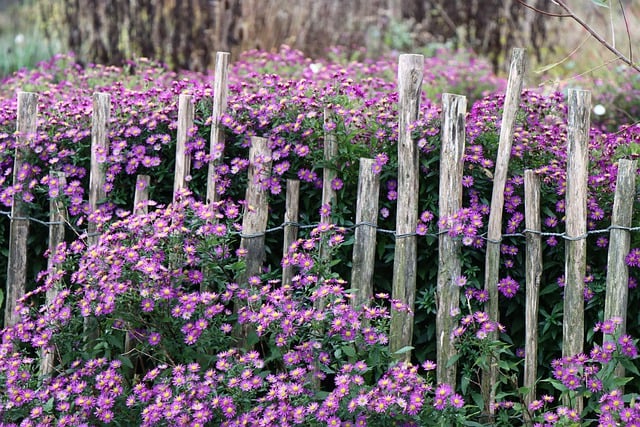
Exploring the landscape of New Bedford, MA, the quest for eco-friendly fencing materials has gained momentum, reflecting a harmonious blend of environmental stewardship and aesthetic enhancement. This article delves into the myriad sustainable options available, from the robust appeal of sustainable timber to the low-maintenance promise of recycled plastic lumber. It also examines composite materials that offer both durability and eco-consciousness, while highlighting bamboo’s remarkable role in eco-friendly fencing. Additionally, the article explores living fences crafted from native shrubs and trees, and the resilient nature of metal options like steel and aluminum as sustainable barriers. Each material presents unique advantages that contribute to a greener environment while serving the practical needs of property demarcation. Join us as we uncover the benefits and applications of these innovative fencing solutions in New Bedford’s vibrant community.
- Sustainable Timber Options for Fencing
- Advantages of Recycled Plastic Lumber
- Composite Materials: Durability and Eco-Consciousness
- The Role of Bamboo in Eco-Friendly Fencing
- Living Fences with Native Shrubs and Trees
- Metal Options: Steel and Aluminum for Sustainable Barriers
Sustainable Timber Options for Fencing
In New Bedford, MA, sustainable timber options stand out as a preferred choice for eco-friendly fencing materials. These options are not only renewable but also biodegradable, reducing the environmental footprint associated with maintenance and disposal. Sourced from responsibly managed forests, sustainable timber ensures that the demand for wood does not contribute to deforestation or habitat destruction. One of the most popular timber options for fencing is Western Red Cedar, prized for its natural resistance to rot, pests, and decay, which means it requires minimal chemical treatments. Its durability and aesthetic appeal make it a favorite for both privacy and decorative fences. Additionally, timber alternatives such as bamboo are gaining traction due to their rapid growth rate and carbon sequestration capabilities. Bamboo fencing is a particularly sustainable choice, as it can reach maturity in just five to seven years and is incredibly strong and versatile. Both Western Red Cedar and bamboo offer a long-lasting solution that aligns with the principles of ecological stewardship, ensuring that New Bedford’s landscapes remain vibrant and protected for future generations.
Advantages of Recycled Plastic Lumber
Recycled plastic lumber presents a compelling alternative to traditional wood and composite materials in fencing, offering several advantages that align with environmental sustainability. This eco-friendly option is crafted from post-consumer waste, such as plastic bottles and packaging, which diverts these materials from landfills. The durability of recycled plastic lumber is noteworthy; it is resistant to rot, decay, and insect damage, ensuring a long lifespan without the need for chemical treatments. Its weather-resistant nature means it maintains its aesthetic appeal without fading, cracking, or splintering, making it a low-maintenance solution that can withstand harsh environmental conditions prevalent in coastal cities like New Bedford, MA. Additionally, the longevity of recycled plastic lumber minimizes the need for frequent replacements, further reducing waste and preserving natural resources. The sustainability of this material extends beyond its composition; it often requires less energy to produce compared to other fencing materials, offering a reduced carbon footprint. In terms of practicality, recycled plastic lumber is versatile, available in various styles and colors, and can be designed to mimic the look of natural wood, providing aesthetic options that complement different architectural styles within New Bedford’s diverse neighborhoods.
Composite Materials: Durability and Eco-Consciousness
Composite materials have emerged as a sustainable alternative in fencing, offering both durability and eco-consciousness. These materials are typically composed of wood fibers and plastic resins, creating a strong and weather-resistant product that rivals traditional lumber without the need for harsh chemical treatments. The environmental benefits of composite fencing are manifold. For one, it significantly reduces the demand for virgin timber, thereby conserving natural forests and the biodiversity they support. Additionally, the longevity of composites means fewer replacements over time, which translates to less waste and a lower carbon footprint compared to conventional wood fencing that may require regular maintenance and eventual disposal. In New Bedford, MA, where environmental stewardship is paramount, the adoption of composite materials for fencing aligns with local sustainability goals and can serve as a model for other communities looking to integrate eco-friendly solutions into their infrastructure. The choice of composite fencing not only contributes to the preservation of the environment but also reflects the values of the community it serves.
The Role of Bamboo in Eco-Friendly Fencing
Bamboo stands out as a prominent eco-friendly fencing material due to its rapid growth rate and robust ecological role. Unlike many traditional timber species, bamboo is a grass that can reach maturity in just five to seven years, making it a highly sustainable option. Its fast regrowth capacity means that it can be harvested without depleting the resource, ensuring a consistent supply while maintaining the forest’s carbon sequestration abilities. Bamboo fencing offers a natural and durable barrier, with species such as Moso being particularly favored for its strength and versatility. The process of transforming bamboo into fencing is also low-impact, often requiring minimal chemical treatments. As a result, bamboo not only contributes to the reduction of greenhouse gas emissions through carbon capture but also provides an aesthetically pleasing and long-lasting solution for boundary definition in New Bedford, MA, where environmental stewardship is paramount. The integration of bamboo into residential and commercial landscapes not only aligns with local sustainability initiatives but also sets a precedent for future development that prioritizes ecological harmony.
Living Fences with Native Shrubs and Trees
New Bedford, Massachusetts, as a coastal community, has a unique set of environmental considerations that influence the choice of fencing materials. Among the eco-friendly options, living fences constructed from native shrubs and trees stand out for their ecological benefits and aesthetic appeal. These natural barriers not only delineate property boundaries but also serve as habitats for local wildlife, contributing to biodiversity and promoting ecological resilience. Native species are particularly advantageous as they are adapted to the local climate, requiring minimal maintenance and reducing the need for watering and chemical treatments that can harm aquatic ecosystems, especially given New Bedford’s proximity to vital marine environments.
The selection of native shrubs and trees for living fences supports the health of local soils and contributes to the reduction of erosion along coastal areas. These living structures help to filter pollutants from runoff water, which is a significant concern in urban settings where impervious surfaces are prevalent. Additionally, living fences can provide windbreaks, reducing energy costs for heating and cooling homes by moderating temperature extremes. They also offer an educational opportunity for residents and visitors to learn about native species and the importance of biodiversity, fostering a greater appreciation for the natural world and encouraging sustainable practices within the community.
Metal Options: Steel and Aluminum for Sustainable Barriers
Metal options such as steel and aluminum are gaining traction as sustainable barriers in various applications, including residential, commercial, and agricultural settings. Steel, renowned for its strength and durability, is a versatile material that can be recycled repeatedly without degrading in quality. Its robust nature makes it ideal for fencing, offering long-lasting protection against harsh environmental elements and maintaining its structural integrity over time. The lifecycle assessment of steel reveals its eco-friendliness; the material’s high recycling rate ensures that it contributes minimally to landfill waste. Aluminum, another metal option, is equally sustainable, boasting a lightweight yet resilient structure. It resists corrosion and requires minimal maintenance, reducing the need for chemical treatments that can be harmful to the environment. Both steel and aluminum can be sourced from recycled content, significantly reducing the energy consumption and environmental impact associated with their production compared to virgin materials. In New Bedford, MA, where maritime influences shape the local climate, these metal fencing options are particularly advantageous due to their resilience against the salty air and potential for storm damage resistance. Their longevity not only provides a secure barrier but also a cost-effective solution over time, as less frequent maintenance translates to lower long-term costs and a more sustainable choice for property owners in this coastal community.